
Diamonds have long been revered for their beauty, durability, and brilliance. Traditionally, these precious stones have been mined from the earth, but in recent years, lab-grown diamonds have surged in popularity. This article explores the similarities and differences between lab diamonds and natural diamonds, focusing particularly on their brilliance and overall aesthetic appeal.
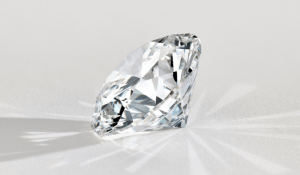 Understanding Diamonds: Natural vs. Lab-Grown
1.1 Natural Diamonds
Natural diamonds are formed deep within the Earth’s mantle over millions of years under extreme heat and pressure. They are composed of carbon atoms arranged in a crystal structure that gives them their renowned hardness and brilliance. The journey from the earth to the jeweler’s showcase involves a lengthy process of mining, cutting, and polishing. Natural diamonds are unique in that each one has a unique history and character shaped by its geological formation.
1.2 Lab-Grown Diamonds
Lab-grown diamonds, on the other hand, are created in controlled environments using advanced technology. There are two primary methods for producing lab diamonds: High Pressure High Temperature (HPHT) and Chemical Vapor Deposition (CVD). Both processes replicate the natural conditions that form diamonds, resulting in stones that are chemically, physically, and optically identical to their mined counterparts.
The Science Behind Sparkle: Cut, Clarity, Color, and Carat
To understand why both natural and lab-grown diamonds sparkle, we need to look at the four Cs: cut, clarity, color, and carat weight. These factors significantly influence a diamond’s overall appearance and brilliance.
2.1 Cut
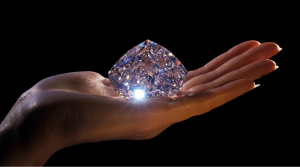
The cut of a diamond determines how well it reflects light. A well-cut diamond will exhibit superior sparkle and brilliance. Both natural and lab-grown diamonds can be cut in various styles, including round, princess, and emerald, among others. The quality of the cut, measured by factors such as symmetry and polish, directly impacts the diamond’s ability to refract light.
2.2 Clarity
Clarity refers to the presence of inclusions or spots within the diamond. While natural diamonds often contain imperfection formed during their geological journey, lab diamonds can be produced with fewer inclusions. This means that lab-grown diamonds can achieve a higher clarity grade more easily than natural diamonds, potentially enhancing their sparkle.
2.3 Color
Diamonds can range from colorless to shades of yellow or brown. Color grading is crucial in determining a diamond’s value and appearance. Lab-grown diamonds can be produced in a wide range of colors, including fancy colors like blue, pink, and yellow, giving consumers a broader palette to choose from. While some prefer the classic colorless diamond, others might be attracted to the unique hues available in lab diamonds.
2.4 Carat
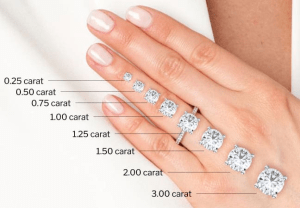
Carat weight measures the size of the diamond. Larger diamonds can potentially offer more sparkle, given they have better light exposure. Both natural and lab-grown diamonds can be found in various carat weights, allowing consumers to choose based on their preferences and budgets.
 The Sparkle Experience: Optical Performance
When it comes to sparkle, the optical performance of a diamond is very important. This includes three primary attributes: brilliance, fire, and scintillation.
3.1 Brilliance
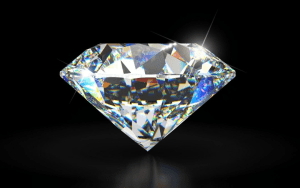
Brilliance refers to the amount of white light reflected from the diamond. Both lab-grown and natural diamonds exhibit similar brilliance when cut well. The quality of the cut plays a more important role in enhancing this characteristic than whether the diamond is lab-grown or natural.
3.2 Fire
Fire is the dispersion of light into various colors. A diamond with high fire will show colorful flashes as it moves. Both types of diamonds can exhibit impressive fire, and again, this characteristic is influenced more by cut quality than the diamond’s origin.
3.3 Scintillation
Scintillation is the sparkle that you see when the diamond moves. It is an interaction between light and dark places in stone. Both lab-grown and natural diamonds can have significant sparkle depending on the cut and clarity
Environmental and Ethical Considerations
Beyond aesthetics, many consumers today are also concerned about the ethical implications of their diamond purchases. The diamond mining industry has faced criticism over environmental degradation and human rights violations in some mining regions. In contrast, lab-grown diamonds present a more sustainable option. They require less land, water, and energy than traditional mining, making them an appealing choice for environmentally conscious buyers.
The Market Perspective
As lab-grown diamonds continue to gain traction, they are influencing market dynamics. Typically, lab-grown diamonds are sold at a lower price point than natural diamonds. This price difference can be attributed to the lower costs associated with production and the fact that lab diamonds are not as rare as natural stones.
However, as consumer awareness grows, some individuals are beginning to view lab-grown diamonds as equally desirable, if not more so, due to their affordability and ethical advantages. This shift in perspective may reshape how we value diamonds in the future.
Conclusion:
In conclusion, both lab-grown and natural diamonds can exhibit incredible sparkle, depending largely on their cut, clarity, color, and carat weight. While the debate over which type of diamond is superior may continue, one thing is clear: both options offer beauty and brilliance that can satisfy a variety of tastes and values.
As technology and consumer preferences evolve, lab-grown diamonds are likely to become increasingly important in the jewelry market. Lab-grown diamonds are an exciting and viable option for those seeking a beautiful, sparkling diamond that aligns with personal sustainability and ethical values. Ultimately, whether one chooses a natural or lab-grown diamond, the enchanting sparkle they provide remains a timeless symbol of love, commitment, and beauty.


Add comment